













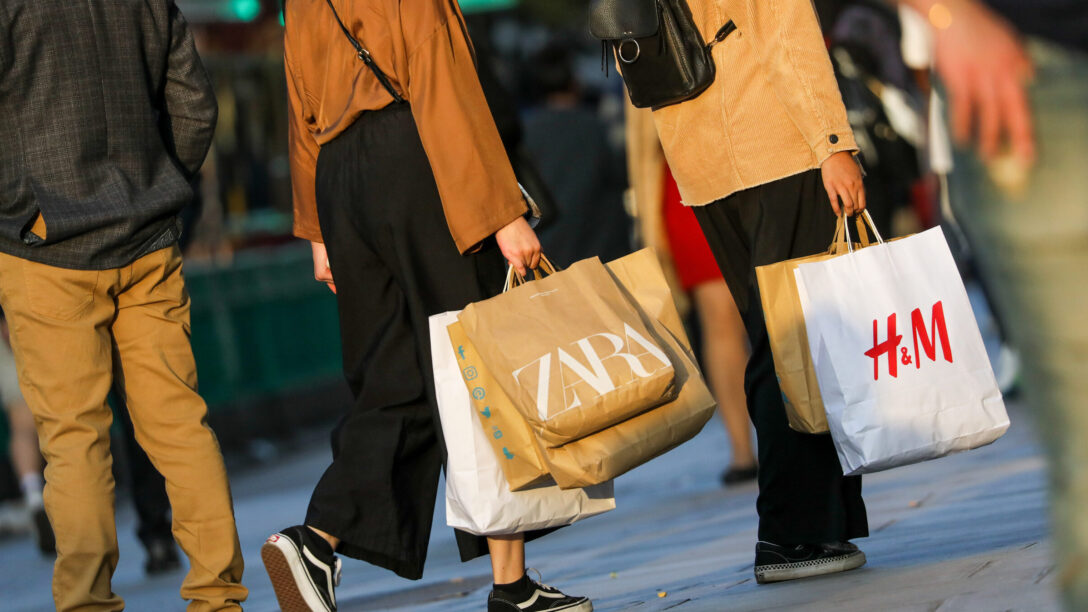




Frequently online and even in our halls you’ll see many popular consumables from websites such as Shein, Temu, and other similar sites. These places produce stuff like NeeDohs, Owalas and Lululemon pieces. All of this is very cool and sought after by many people, which is why it’s become such a trend. NeeDohs are fun to play with, and all the new styles coming out are enticing to anyone.
Owala’s new style of both a straw and open top design is unique, which combined with the many variations of patterns and styles make anyone want to buy one for themselves. I myself own a few NeeDohs and am currently drinking from an Owala, and at first I was speeding through all this stuff and replacing it without giving it a second thought. But I didn’t realize the harm that this style of living brings.
Like myself a while ago, many people don’t know how these products get to us, which isn’t necessarily our fault because producers purposely hide the reality. The truth behind these toys and clothes that we use every day is deeper than we think.
It may become clear if you look very closely, like hidden on all these items we love are tags describing where, what and how these pieces are made as well as where they’re sourced. Diving deeper and making a couple of searches on Google reveals that almost all of these items come from different manufacturing hubs across Chinese cities such as Guangzhou, Yiwu, Dongguang, etc.
It’s no surprise when you begin to look closely that these consumables are poorly made, and it’s not only because they’re cheap to buy. These factories often have long working hours and high production volume that frequently ignore labor laws, and there are even some major concerns over child labor as a few investigations have revealed that manufacturers use children as a way to boost production. This all has to do with the recent increase in fast fashion across the world, and America is one of the top contributors to the fast fashion problem.
Luckily, there are a few people who do realize how replacing stuff without using it fully is bad, and they believe that donating their things is a renewable way to get what they want and to help the community. While this could work great in theory, and in some situations it does, but when put to practice it doesn’t always work.
If you go inside a local thrift store it becomes clear what really happens to all those donated items. All the items that are no longer trendy will be donated enough that they flood the shelves with hundreds of the same items.
Although others will buy a few of these items off the shelves, they only need so many water bottles, and if there are hundreds of them that are no longer deemed popular they will stay on the shelves and eventually end up in the trash.
After I came to this realization I quickly wanted to make a change in my lifestyle, so I researched ways to help our environment like keeping clothes longer, not buying new stuff I need, and thrifting more.
But that isn’t always the case for many other students. I know multiple people who change their clothes, shoes, water bottles and other reusable items very often. Just in the past few years every time a trend changes or a new item releases, people rush to throw away their old stuff and replace it with 30 copies of the next fashionable thing.
I’m writing this not to shame those who are contributing to overconsumption, but because I want to raise awareness of how much of a problem this is so that we can make a real change. Not only are these products harming the workers’ lives, but also the environment.
I know many have heard this line before, but these quickly made items pile up in landfills which include ‘forever chemicals,’a big chemical family of thousands of not naturally occurring relentless chemicals that stay around for hundreds and thousands of years. These chemicals are everywhere and are commonly found within the human body.
These are toxic to us because they interfere with the hormonal system, reproductive system, immune system, have been linked to kids not responding to vaccines and even promote the development of a few illnesses such as kidney and testicular cancer.
This isn’t just a problem that will affect humans later because the side effects of fast fashion have already shown their repercussions, and that’s why we all need to work on making better choices to help our planet and ourselves.