





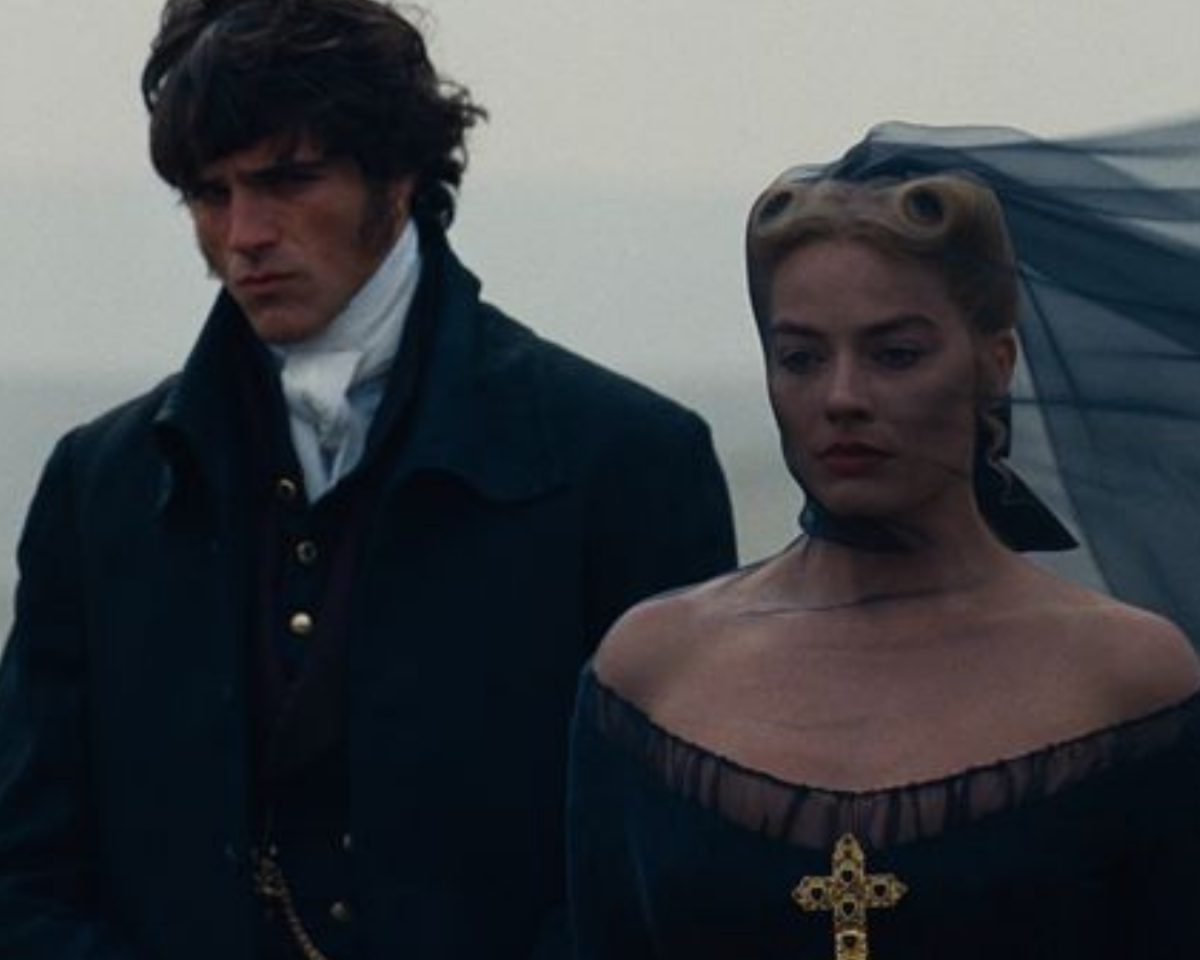
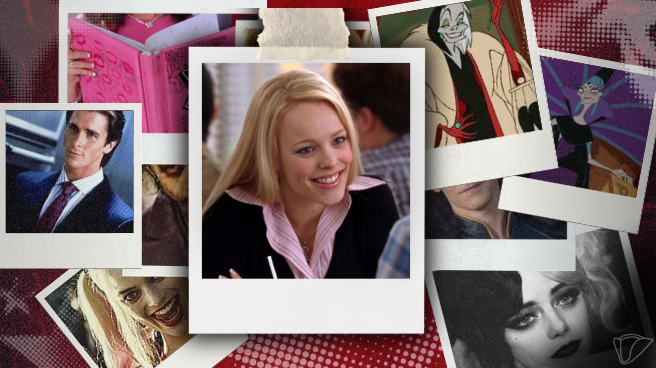



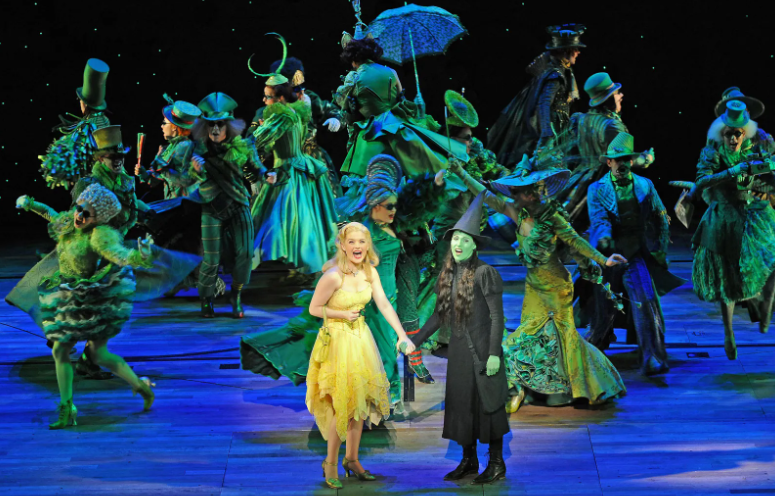


Why do we like villains? Are they simply better than heroes? Villains can be better than the hero, and that is what makes them so likeable.
Jenaya Shaw, a writer at The Navigator, articulates why writing a good villain is difficult, and why people are drawn to villains.
“Finding the balance between intrigue and progress is key in writing a good story with a complimentary villain,” Shaw said. “Characters who struggle to conquer are relatable and automatically win the hearts of readers and viewers.”
Villains are a central point in entertainment. After all, they create complexity in conflicts and drive the plot forward. This appeal makes the viewer more interested in the antagonist rather than the protagonist.
Additionally, antagonists keep the story interesting. Their power and influence over other characters can make them appear to be more interesting than the protagonist. Joaquin Waters from The Aggie breaks down the appeal.
“There is something monstrously cathartic in seeing the demons of humankind’s collective imagination given voice and form in fiction,” Waters said. “They’re just plain fun. Some might argue this is the root of our fascination with the bad guys. Nobody likes a passive character, and antagonists, out of necessity, are always active.”
Also, these characters enable our desire to “save” or “fix” others. ABC News Australia’s Jenna Guillaume explains.
“The idea of redemption is key when it comes to connecting with these characters, because not only does it lean into our impulses to want to ‘save’ or ‘fix’ others, it also plays into our complicated relationship with our own darkest desires,” Guillaume said.
A villain’s backstory may resonate with our personal experience which, in turn, can influence our perception of the character. Usually, a character has a definite reason or turning point to become a villain. They were wronged, and they want revenge.
The University of Michigan conducted a study on how children can see past the villain’s moral character, even though their villain characters are seen as all bad and never good.
Valerie Umscheid, a student who conducted the study, divulges the surprising results.
“These are really powerful narratives, stories that kids watch over and over, that they play and act out,” Umschied said. “It would be hard to dismantle the evil of villains, but that children see even a little potential for good in them is impressive.”
Most of the time, admiring a villain is not a bad thing. They can provide more entertainment than the protagonist on screen, and people enjoy it.
Admiring villains, however, does come at a cost. Human nature adapts to what we like and see around us. It influences our social interactions. If someone only praises the villain and never sees their flaws, it can affect how they see others in the real world.